What is a Cash-in-Transit Vehicle and What Tasks Does It Perform?
A modern Cash-in-Transit (CIT) vehicle is not merely a commercial van with a reinforced body, but a complex software and hardware system engineered to mitigate risks during the transportation of valuables. The primary purpose of these vehicles is to provide a secure environment for the crew and ensure the protection of valuables throughout the journey.
The primary types of cargo serviced by CIT vehicles include cash, bullion, precious stones, securities, and confidential documentation. A distinct segment involves automated teller machine (ATM) servicing, which requires dedicated equipment for secure ATM cassette handling and transportation.
The primary risks during transportation include armed robberies, planned ambushes at stops, and traffic accidents that may be utilized by adversaries as a tool to immobilize the vehicle. Consequently, cash collection, where security is the utmost priority, requires the deployment of special-purpose vehicles capable of resisting both ballistic and sophisticated threats.
Primary Threats in the Transportation of Valuables
The transportation of valuables is exposed to increasingly sophisticated threats. The most critical threat remains armed assaults involving automatic weapons and explosive devices. Beyond external aggression, risks include vehicle theft with the intent of subsequent forced entry in a concealed location.
An essential aspect is the human factor. Internal risks associated with crew errors or unauthorized access compel developers to implement systems that restrict physical contact between personnel and cash.
Conventional commercial vehicles are not suitable for this purpose, as they lack the structural body rigidity required to withstand the weight of armor steel, and their technical assemblies are not rated for the extreme loads experienced during evasive maneuvers. Only modern CIT vehicles are capable of delivering the required level of endurance.
Armoring as the Foundation of Protection
The foundation of security for any special-purpose vehicle is the armoring of vehicles destined for cash transportation. The TRANSFORMERS company utilizes the method of internal, concealed armored capsule integration, which maintains the original body geometry while delivering maximum structural strength and durability.
The protection level of CIT vehicles is determined by the standards of DSTU 3975-2000. The most prevalent levels include:
- PZSA-3: Protection against pistol rounds and the AKM assault rifle (7.62 mm caliber, PS bullet). Optimal for urban cash collection.
- PZSA-4: Protection against AK-74 assault rifles (5.45 mm caliber, 7N10 round) and SVD sniper rifles (7.62 mm caliber, LPS core round). Deployed for interregional transportation.
Production utilizes exclusively certified, high-alloy armor steel and multi-layered ballistic glass with a thickness starting from 42 mm. This armored glazing does not shatter into fragments upon impact due to reinforcement with a flexible polycarbonate layer. Beyond ballistic protection, the engineering design incorporates underbody blast protection against hand grenades and fuel tank fire protection (an automatic fire suppression system installed according to approved regulatory standards).
%20%C3%91%C2%81%C3%90%C2%B5%C3%90%C2%B9%C3%91%C2%84%20%C3%90%C2%B2%20%C3%91%C2%96%C3%90%C2%BD%C3%90%C2%BA%C3%90%C2%B0%C3%91%C2%81%C3%90%C2%B0%C3%91%C2%82%C3%90%C2%BE%C3%91%C2%80%C3%91%C2%81%C3%91%C2%8C%C3%90%C2%BA%C3%90%C2%BE%C3%90%C2%BC%C3%91%C2%83%20%C3%90%C2%B0%C3%90%C2%B2%C3%91%C2%82%C3%90%C2%BE-1781125601705.webp)
%20%C3%91%C2%81%C3%90%C2%B8%C3%91%C2%81%C3%91%C2%82%C3%90%C2%B5%C3%90%C2%BC%C3%90%C2%B0%20%C3%90%C2%B7%C3%90%C2%B1%C3%90%C2%B5%C3%91%C2%80%C3%91%C2%96%C3%90%C2%B3%C3%90%C2%B0%C3%90%C2%BD%C3%90%C2%BD%C3%91%C2%8F%20%C3%90%C2%B2%20%C3%91%C2%96%C3%90%C2%BD%C3%90%C2%BA%C3%90%C2%B0%C3%91%C2%81%C3%90%C2%B0%C3%91%C2%82%C3%90%C2%BE%C3%91%C2%80%C3%91%C2%81%C3%91%C2%8C%C3%90%C2%BA%C3%90%C2%BE%C3%90%C2%BC%C3%91%C2%83%20%C3%90%C2%B0%C3%90%C2%B2%C3%91%C2%82%C3%90%C2%BE-1781125613457.webp)
Integrated Safes and Storage Systems
Cargo protection inside the vehicle is maintained by specialized secure depositories in CIT vehicles. These are not merely metal boxes, but integrated modules categorized into the following types:
- Depository Safes: Designed to collect revenue along the route via specialized receiving slots.
- ATM Cassette Safes: Configured with specific mounting brackets to prevent equipment damage.
- Time-Delay Safes: Equipped with electronic time-delay locking systems.
Modern locking systems preclude unauthorized access even in the event of vehicle capture. Operational zoning is critical: the driver has no access to the cargo compartment, and the cash collectors cannot access the locking mechanisms of the vaults without confirmation from the dispatch control center.
Electronic Security and Monitoring Systems
CIT vehicles, whose security relies on digital integration, are mandatorily equipped with a comprehensive monitoring suite.
- GPS Monitoring of CIT Vehicles: Enables real-time tracking of movement. In the event of a route deviation, the system automatically transmits an alarm signal.
- Video Surveillance Systems in Cash Collection: Incorporate external 360° cameras, cargo compartment cameras, and cabin surveillance cameras. Recording is executed onto a protected storage drive and duplicated to a remote server.
- Panic Buttons: Positioned across multiple zones (cabin, cargo compartment, and remote key fobs).
Access Control and Identification Systems
To prevent internal threats, multi-factor access control systems are implemented within the vehicle. Access to doors and vaults can be executed via:
- Biometric scanners (fingerprint verification).
- RFID tags or personal smart cards.
- Remote door unlocking by the dispatcher following verification of the stop conditions.
This establishes a complete audit trail for every action, substantially reducing the risk of internal theft by personnel.
Additional Cargo Protection Technologies
Beyond armor steel and electronics, active protection systems are deployed:
- Banknote Dyeing Systems: Upon an attempted forced entry into the safe or specialized container, the banknotes are flooded with specialized ink, rendering them unusable.
- Fire Suppression Systems: Automatic activation within the engine compartment prevents vehicle destruction in the event of arson.
How Modern Technologies Reduce Business Risks and Costs
The deployment of ballistic glass armored vehicles for banks from a reliable specialty vehicle manufacturer represents an investment in operational stability.
- Minimization of Losses: Even in the event of an assault, time-delay technologies and physical protection render robbery economically unattractive to criminals.
- Reduction of Insurance Premiums: Insurance providers offer significantly better terms for logistics executed via certified transport.
- Trust: Clients and regulators maintain confidence in your capacity to fulfill obligations under any conditions.
Select a Reliable Solution to Protect Your Valuables
There is no room for compromise in the field of security. Every CIT vehicle from TRANSFORMERS is the result of engineering precision and an understanding of real-world threats. We do not offer generic templates, but individual development tailored to your business processes: from the Citroen Jumper for urban cash collection to complex armored trucks.
Why Choose Us?
- In-house design and engineering bureau.
- Certification of every product in compliance with the relevant state standards.
- Deployment of high-grade materials and components.
Equip your business with technologies that deliver results. Contact our specialists for a consultation and the development of an individual project for your armored vehicle.
TRANSFORMERS — Your Security Under Our Armor.
Date of publication: 11.06.2026
Recently Added
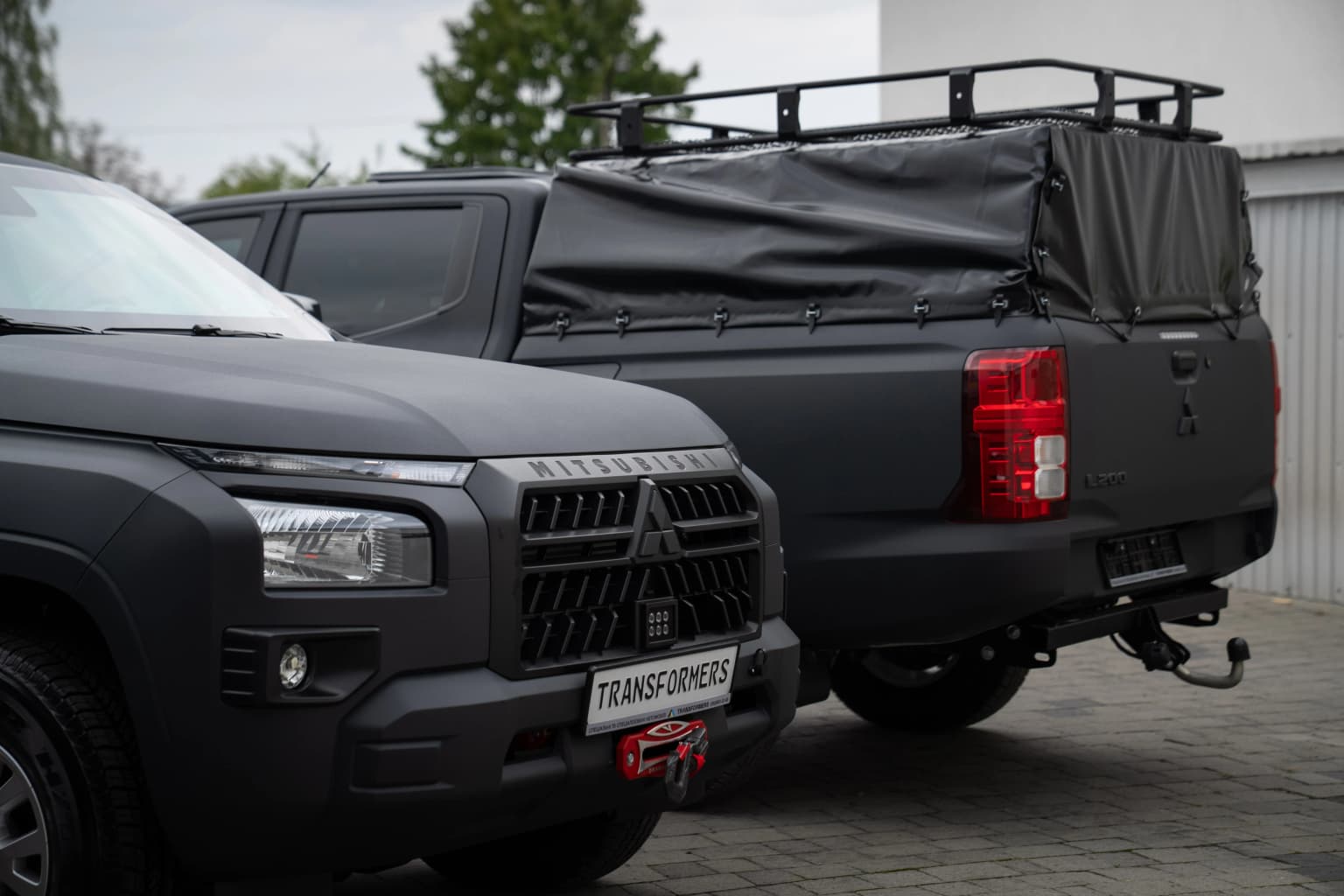
Engineering Body Superstructures and Canopies for Pickup Trucks | TRANSFORMERS
Professional design and manufacturing of aluminum, steel, and soft-top canopies for pickup trucks. Integration with factory vehicle systems and flexible hatch configurations. In-house engineering and design bureau.
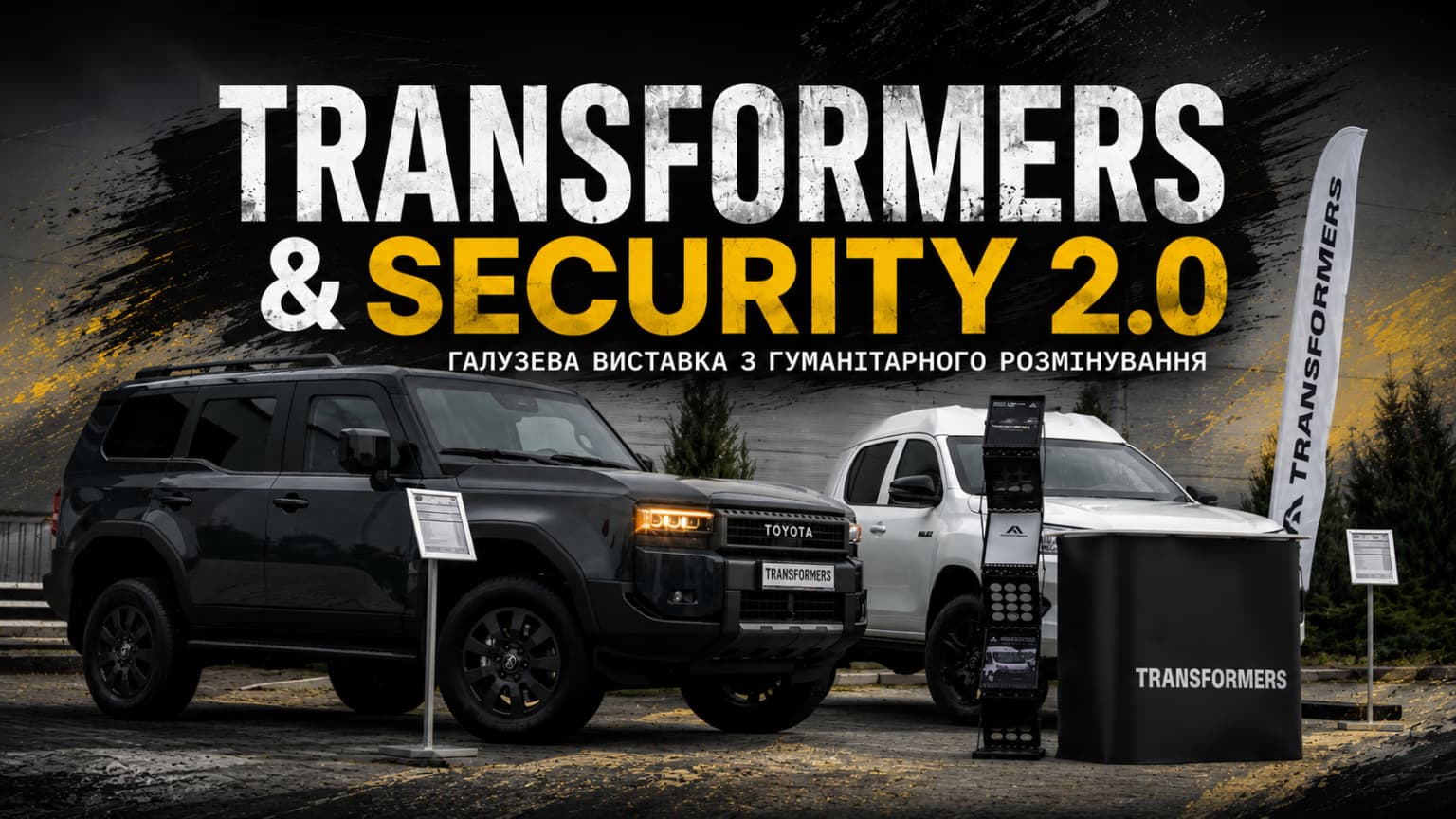
Results of TRANSFORMERS’ Participation in the Security 2.0 International Exhibition: Armored Vehicles Toyota Land Cruiser Prado 250 and Toyota Hilux
Results of TRANSFORMERS’ Participation in the Security 2.0 International Exhibition
Engineering Body Superstructures and Canopies for Pickup Trucks | TRANSFORMERS
Professional design and manufacturing of aluminum, steel, and soft-top canopies for pickup trucks. Integration with factory vehicle systems and flexible hatch configurations. In-house engineering and design bureau.
Results of TRANSFORMERS’ Participation in the Security 2.0 International Exhibition: Armored Vehicles Toyota Land Cruiser Prado 250 and Toyota Hilux
Results of TRANSFORMERS’ Participation in the Security 2.0 International Exhibition
Evolution of Medical Evacuation: The Upgraded MEDIGUARD — Responding to the Challenges of Modern Warfare
Evolution of Medical Evacuation: The Upgraded MEDIGUARD — Responding to the Challenges of Modern Warfare Today, medical evacuation (CASEVAC) operations require
The top 5 advantages of modern armoured vehicles
Top 5 Advantages of Modern Armored Vehicles: Why Security is an Investment, Not an Expense In a world where threat levels are constantly transforming, the conce
